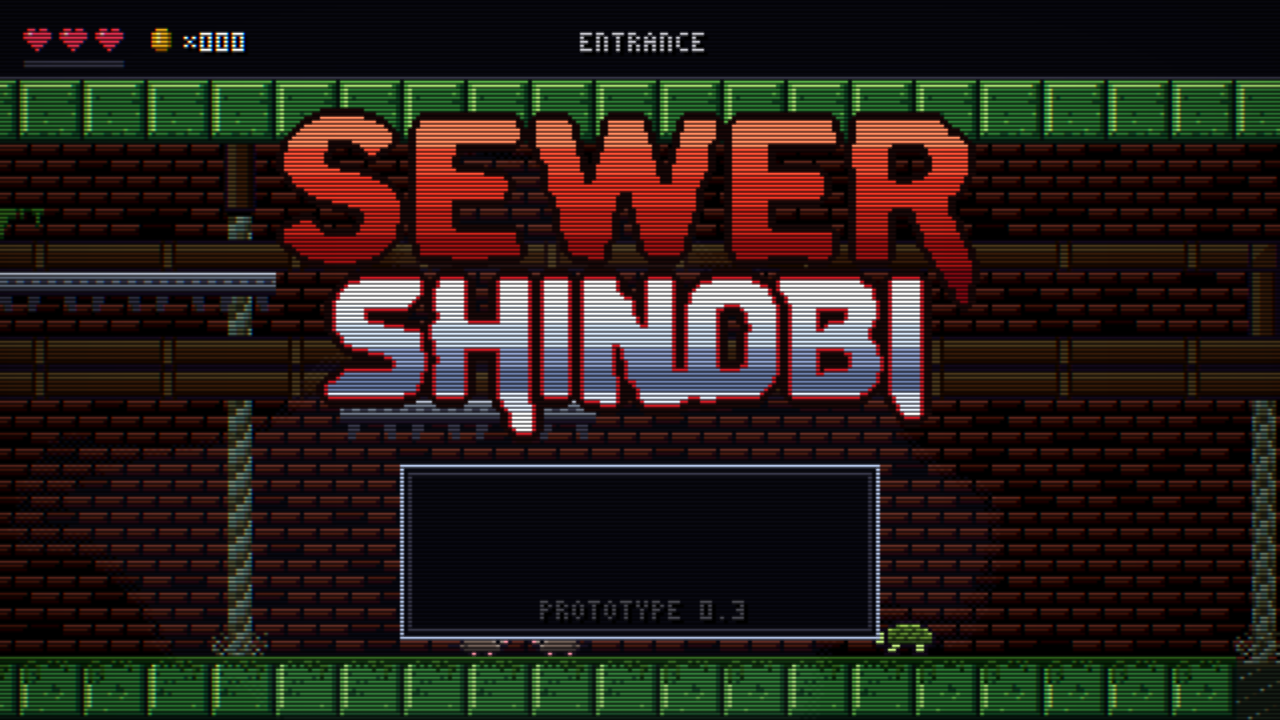
The first game for Lumobit
Sewer Shinobi
Explore a sprawling sewer as a ninja: 168 rooms in seven regions, five bosses that each guard a new skill, teleports for the long way back, and a map that keeps you honest.
Play in your browser No install, no account. Needs a recent desktop browser and a keyboard or a gamepad.
This is a keyboard-and-gamepad game: there are no touch controls yet, so on a phone or tablet it won't be playable.
The game
Sewer Shinobi is a platformer in the metroidvania tradition. The sewer is one connected world; explore the vast world with various bosses, skills and secrets. Can you beat the game?
This game is fully vibe-coded. Everything is created with Claude Code via prompting. It's a research project of some kind.
It is a prototype: the whole game can be played from the first room to the end, but expect some rough edges. Your progress is saved in your browser (see Saves).
-
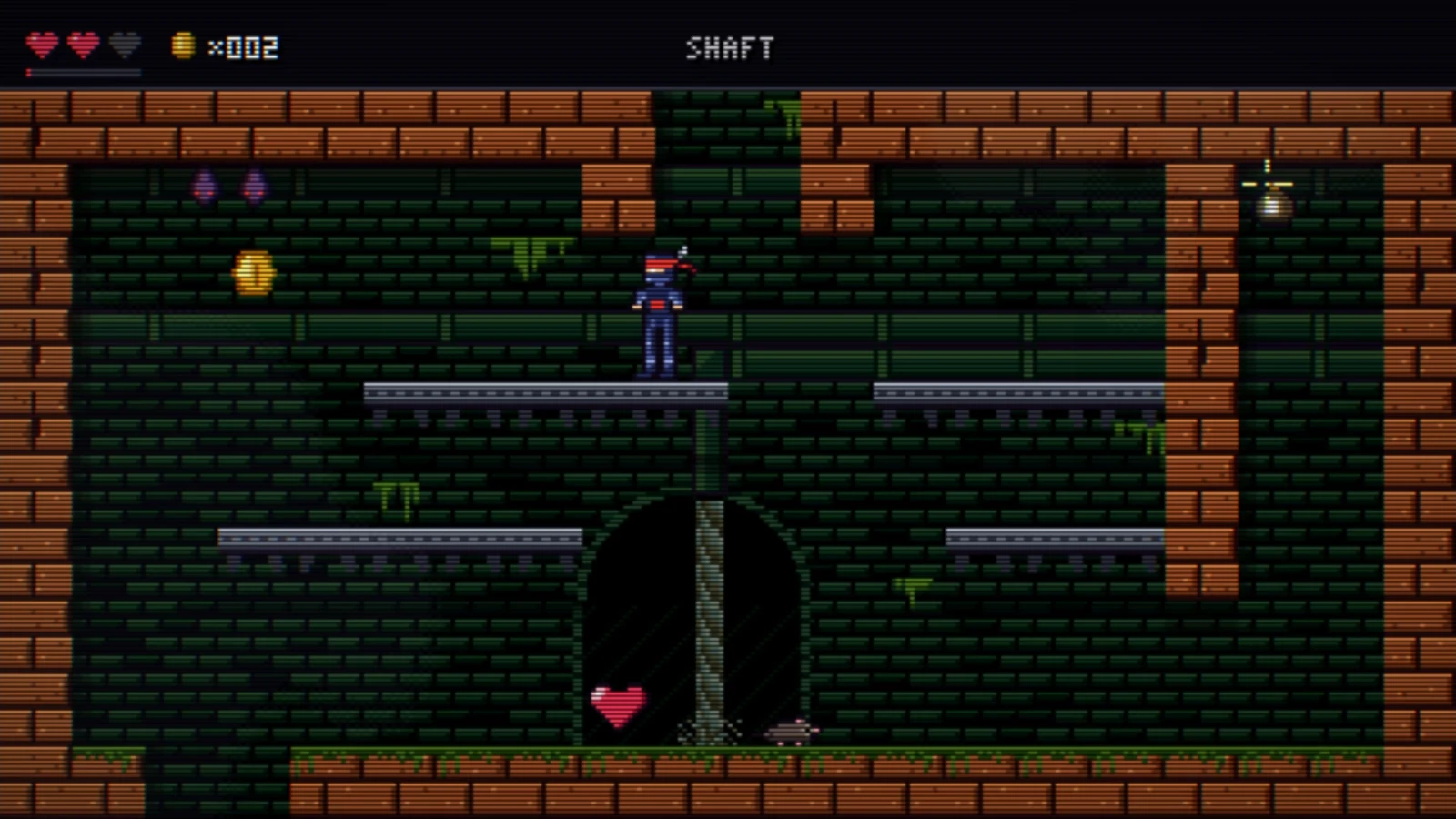 Shaft
Shaft
-
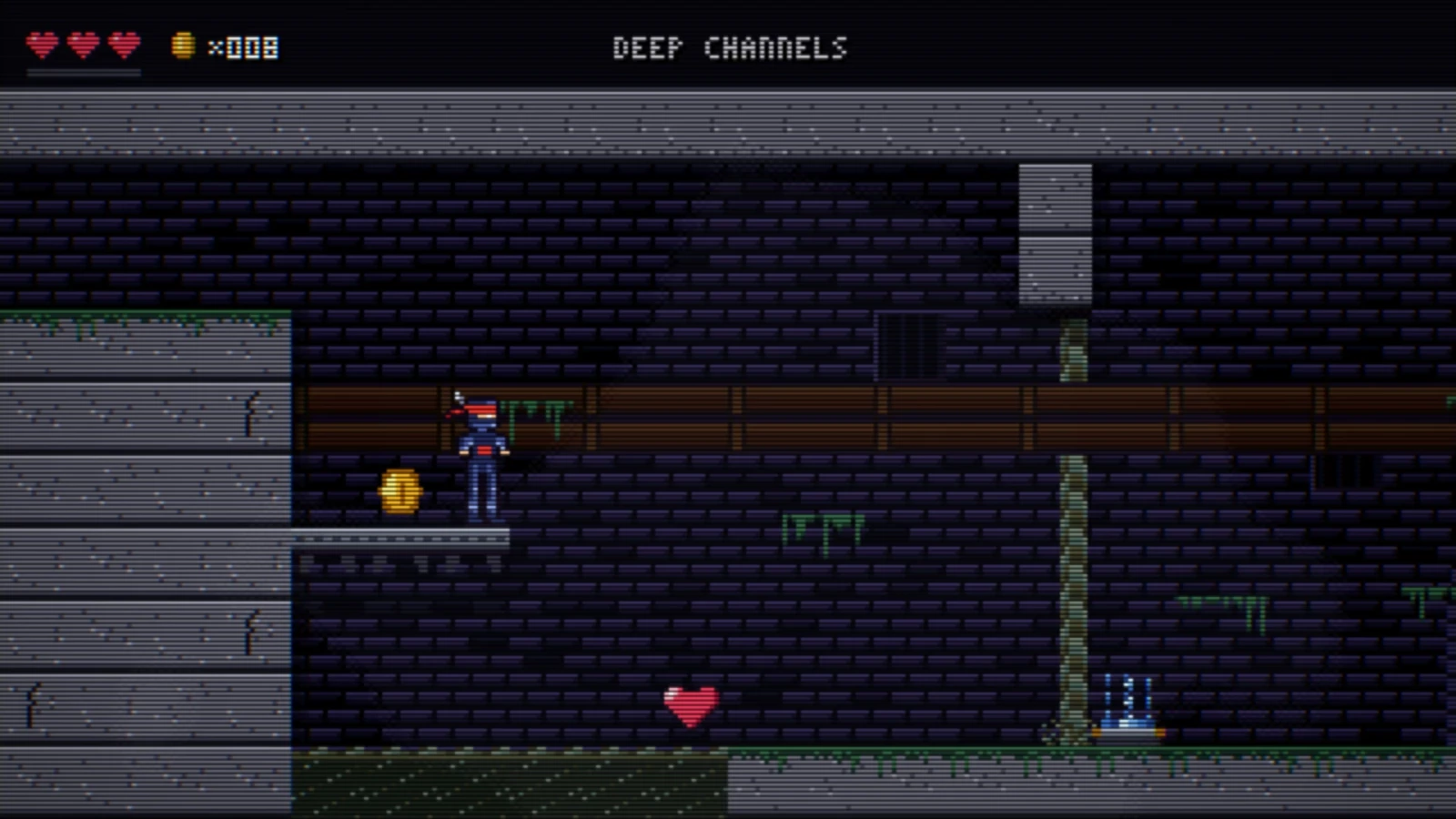 Deep Channels
-
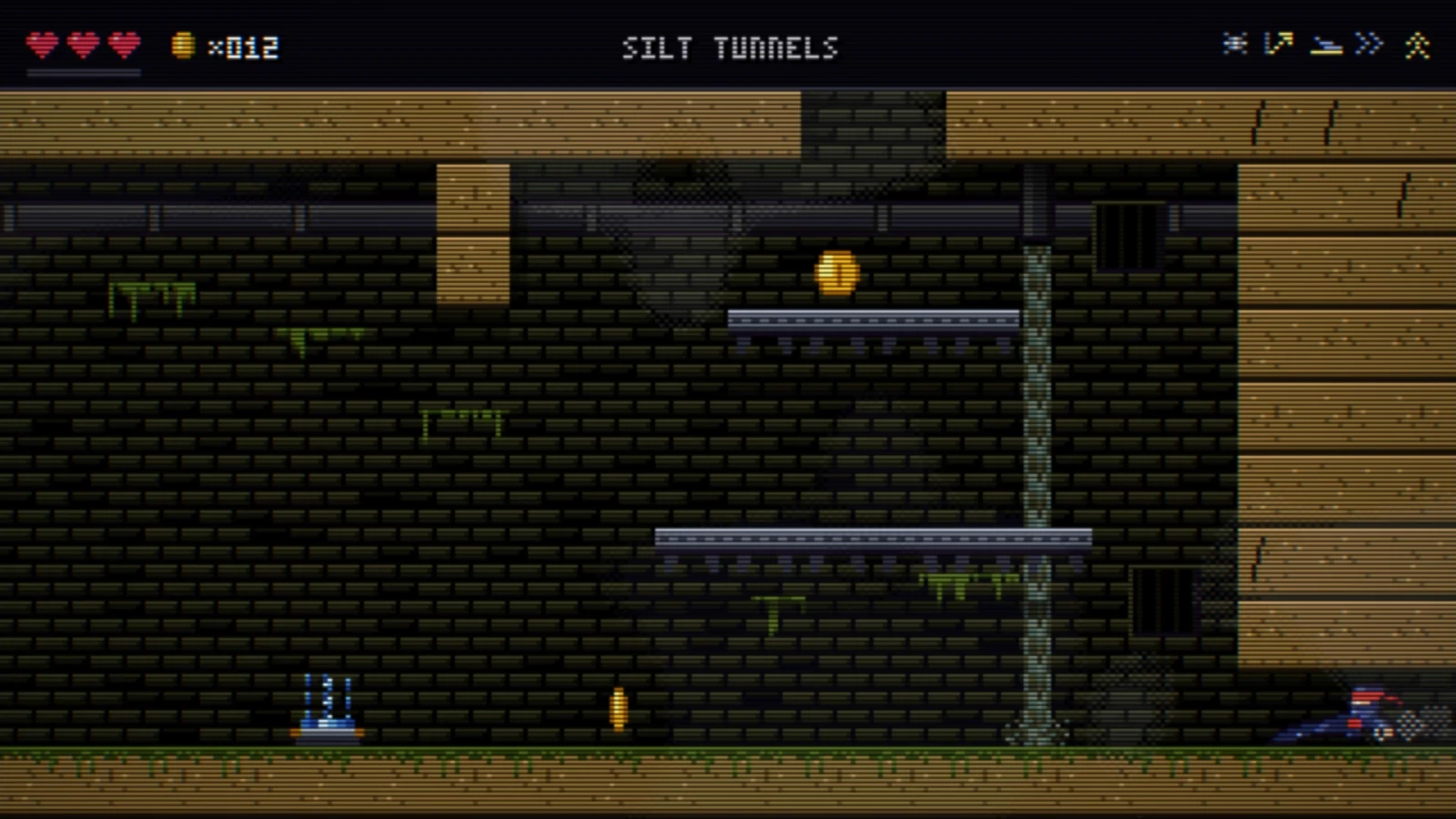 Silt Tunnels
-
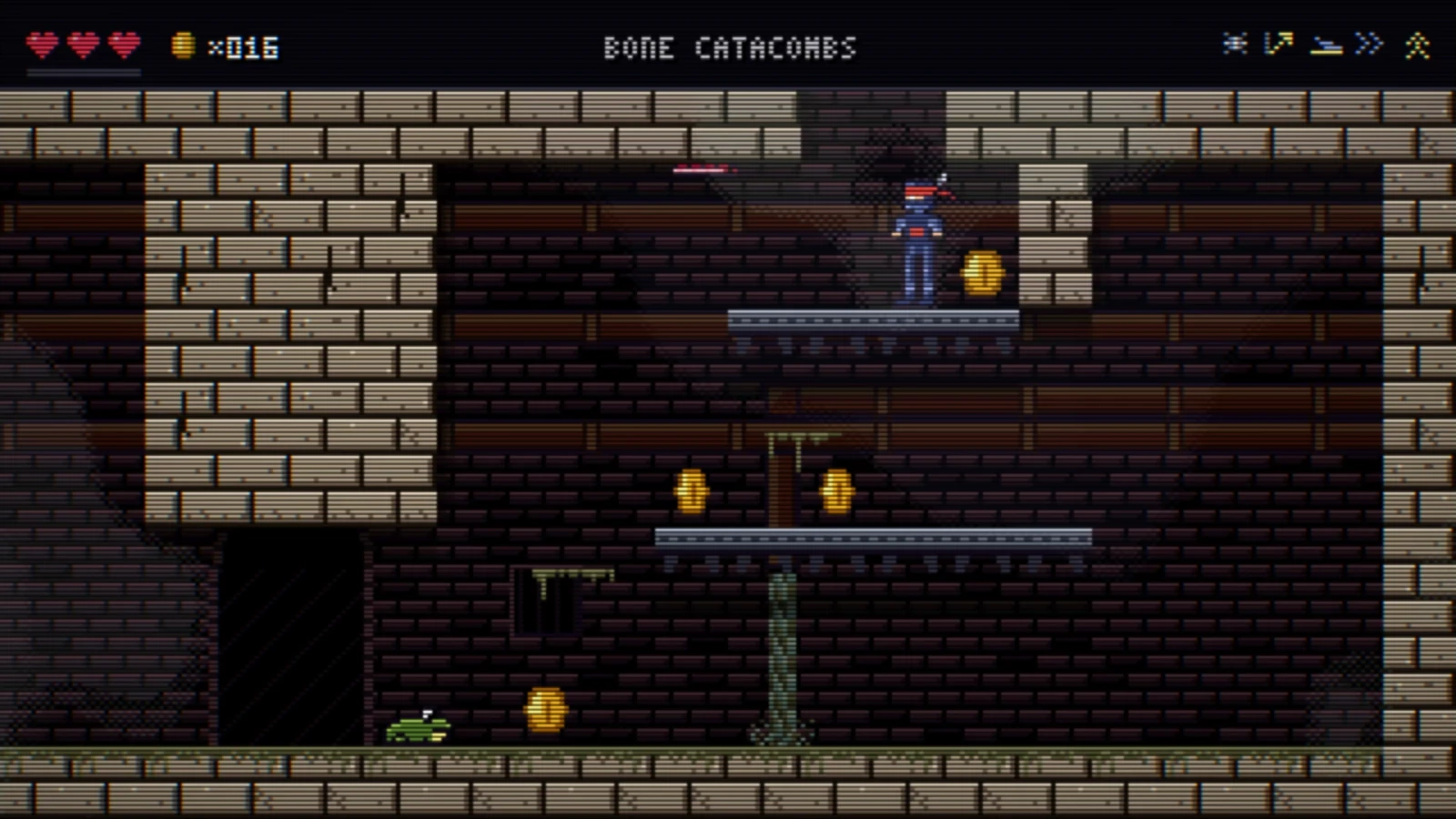 Bone Catacombs
Controls
The game is played on a SNES-style pad, so the keyboard keys stand in for its buttons. Click the page or press any key once in the game to turn the sound on.
| Action | Keyboard | Gamepad |
|---|---|---|
| Move | ← → | D-pad or left stick |
| Crouch | ↓ | Down |
| Jump | Z | Bottom button (B) |
| Sword | C | Right button (A) |
| Shuriken | X | Left button (Y) |
| Slide | A | Left shoulder (L) |
| Warp | S | Right shoulder (R) |
| Map | Tab or right Shift | Back / Select |
| Start, pause | Enter | Start |
| Pixel filter on / off | F2 | L + Select |
- Teleports: stand on a teleport pad and press ↑ to travel between the ones you have found.
- Shuriken: ↑ + X throws up; ↓ + X in the air throws down.
- Skills: shuriken, wall jump, slide, warp and double jump start locked; each comes from an orb behind a boss.
- Pixel filter: the default look mimics a slightly soft CRT with scanlines; F2 switches to sharp pixels. The choice is remembered.
Saves
The game's progress is saved in this browser, on this device: close the tab and come back later, and you can continue. Clearing the site's data in your browser also clears the save. It is not sent anywhere.
About Lumobit
Lumobit is a fantasy console: a made-up machine with deliberately tight limits, designed from the screen and sound chip up. Games are small cartridge files that run on a virtual 32-bit RISC-V processor. The very same cartridge runs on a modded SNES Classic, on a desktop emulator and, here, in your browser. This page plays it with the emulator compiled to WebAssembly.
- Screen
- 320 × 180, 60 frames a second, with five tile layers, 128 sprites and blend modes
- Colour
- 256-colour palette of 15-bit RGB, shade tables, fades
- Output
- Scaled ×4 to 1280 × 720, sharp or through a CRT-style pixel filter
- Sound
- Six channels of SID-style, FM or PCM voices with filters and echo, one shared reverb, 48 kHz stereo
- Processor
- 32-bit RISC-V (RV32EM) virtual machine
- Input
- One SNES-style pad, twelve buttons
Lumobit and Sewer Shinobi are works in progress.